
Electric power systems

Understanding Electric Power Systems: The Backbone of Modern Society
In our increasingly electrified world, electric power systems form the invisible network that powers everything from our homes to industries. These systems ensure that electricity is generated, transmitted, and distributed efficiently to meet growing demands. As of 2025, with the push towards sustainability, understanding electric power systems is more crucial than ever.
What Are Electric Power Systems?
An electric power system is a network of electrical components deployed to supply, transfer, and use electric power. At its core, it connects power plants to end-users through a series of interconnected stages. This infrastructure has evolved significantly since the early days of electricity, incorporating advanced technologies to handle complex loads and integrate renewable sources.
The primary goal of these systems is to provide reliable, affordable, and safe electricity. According to educational resources like MIT’s OpenCourseWare, electric power systems involve not just electrical engineering but also mechanical energy conversion, highlighting their interdisciplinary nature.
Key Components of Electric Power Systems
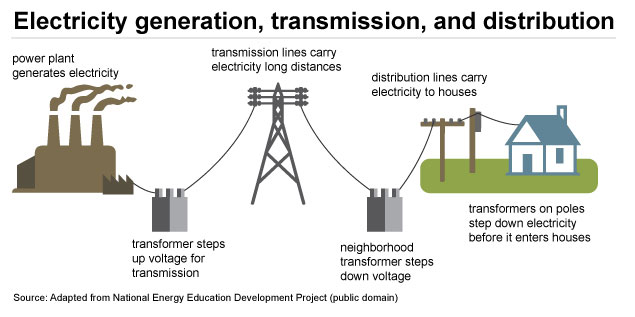
Electric power systems are typically divided into three main parts: generation, transmission, and distribution. Each plays a vital role in delivering power efficiently.
Generation
This is where electricity is produced. Power plants use various sources like coal, natural gas, nuclear, hydro, wind, or solar to generate electrical energy. In recent years, there’s been a shift towards cleaner methods, with renewable sources accounting for a larger share.
Transmission
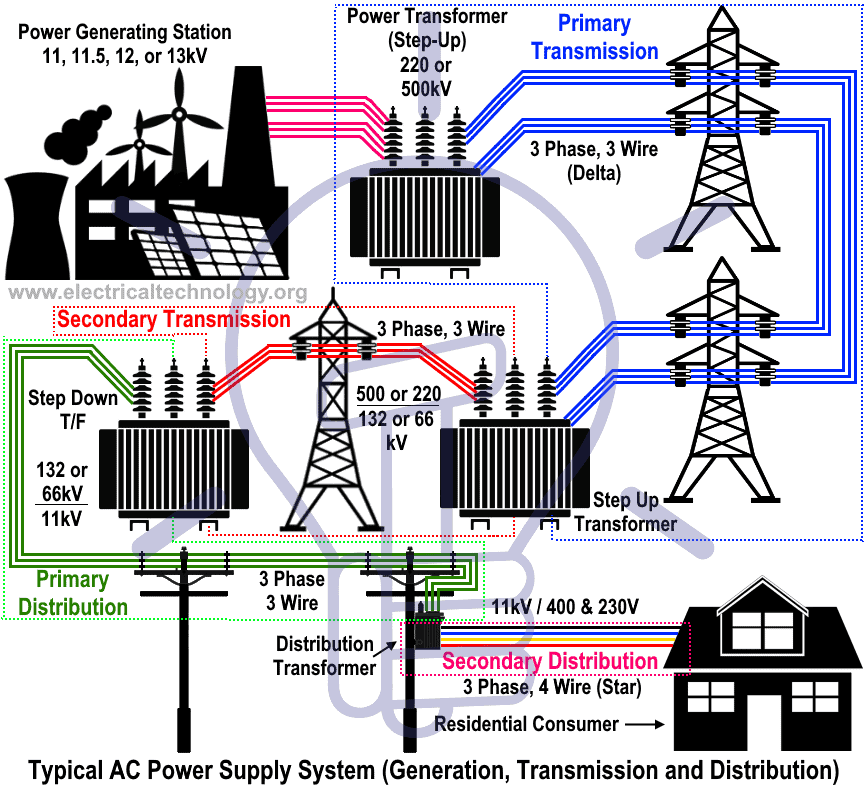
High-voltage lines carry electricity over long distances from power plants to substations. Transformers step up the voltage to minimize energy losses during transit. Transmission networks operate at voltages like 138 kV or 230 kV, as seen in standard diagrams.
Distribution
At the local level, substations step down the voltage for safe delivery to homes and businesses. Distribution lines operate at lower voltages, such as 13 kV or 4 kV for primary customers, down to 120V/240V for households.
For a visual overview, consider this detailed schematic:
Specialized companies and journals, such as Electric Power Systems Research, focus on advancing these components through research in generation, transmission, and utilization.
Challenges in Modern Electric Power Systems
Maintaining electric power systems isn’t without hurdles. Key challenges include:
- Reliability and Outages: Aging infrastructure can lead to blackouts, especially during extreme weather.
- Cybersecurity: As systems become smarter with IoT integration, they face threats from cyberattacks.
- Load Balancing: Fluctuating demand requires sophisticated control systems to prevent overloads.
Testing and maintenance are critical, as emphasized by organizations specializing in electrical commissioning and engineering.
The Future: Integrating Renewables into Electric Power Systems
Looking ahead, the integration of renewable energy is transforming electric power systems. Solar and wind power, once intermittent, are now being incorporated with energy storage solutions like batteries to ensure stability.
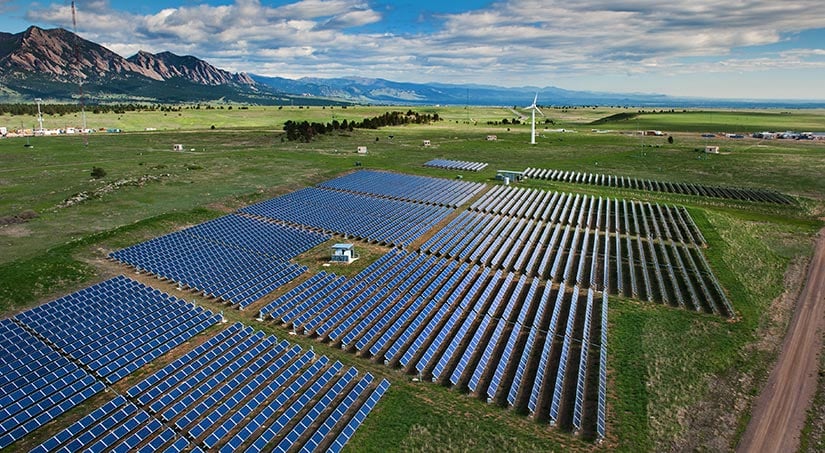
Initiatives from bodies like the IEA highlight the need for flexible grids to handle variable renewables. In aviation, companies are even developing electric power systems for battery propulsion in aircraft, signaling broader applications beyond traditional grids.
Innovations in smart grids, AI-driven optimization, and microgrids are paving the way for more resilient systems. By 2030, experts predict a significant increase in renewable penetration, reducing carbon emissions globally.
Conclusion
Electric power systems are the unsung heroes of our daily lives, enabling progress while adapting to new challenges. Whether you’re an engineer, student, or curious reader, exploring resources like Coursera’s Electric Power Systems course can deepen your knowledge. As we move towards a greener future, these systems will continue to evolve, powering a sustainable world.

Leave a Reply
Want to join the discussion?Feel free to contribute!